Can a marketing campaign do more than inform people and get them to take action? McDonald’s and BBC Children in Need have given us an example of turning an idea into something people can do.
The emotional barrier
The campaign identified a problem in the UK and Ireland: children aged five to ten find it difficult to put their feelings into words. The adults caring for them can also struggle to start these important conversations about children’s mental health.
Many brands might have stopped at telling people about the problem. This campaign went a step further.
What did they do?
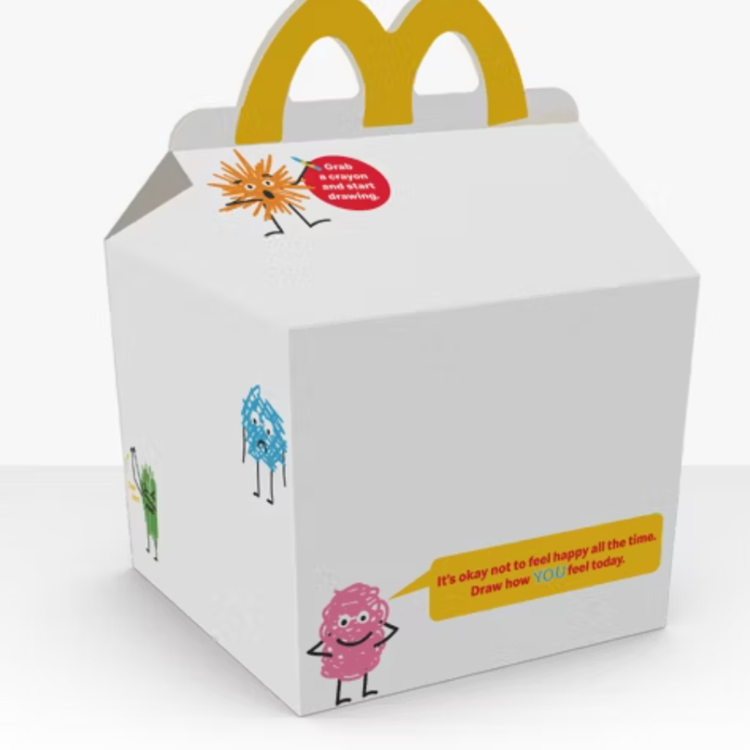
They turned one of their most recognisable assets, the Happy Meal box, into a tool. The box became a blank canvas, inviting children to draw their feelings. It’s more than a redesign: it invites children to explore their emotions through play.
That was just the start. On its website, McDonald’s didn’t overwhelm parents with theory. It offered downloadable materials and drawing activities made to encourage and guide those conversations.
Our favourite part
Getting and keeping someone’s attention is difficult. A good idea can easily get lost in noise and decoration.
The team understood that. They didn’t hand over an endless PDF full of information. The information matters, but this situation needed something people could act on.
The campaign is a reminder that the most useful call to action isn’t always “More information” or “Discover more”. Sometimes it needs to be “Do something now”.
Instead of asking parents to learn about emotions, they gave them a tool to explore those feelings with their children right there and then. They made taking that first step easier.
What did you think of the campaign? Let’s talk about it on LinkedIn.