
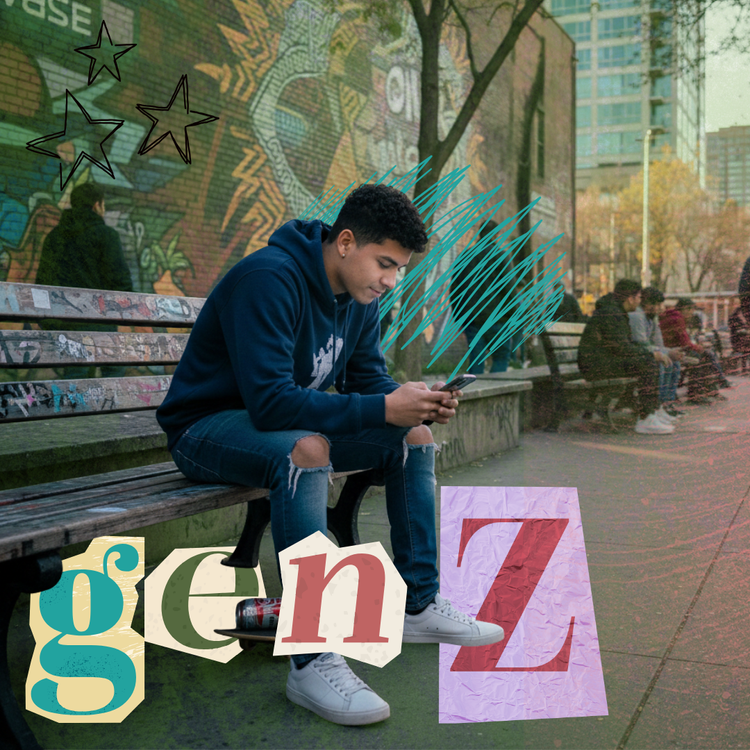
Generation Z, born between the mid-1990s and early 2010s, are digital natives who don’t follow a traditional marketing funnel. For them, social media is part of everyday community, inspiration and learning.
They know the medium and can tell the difference between brands that only want to sell and those with a point of view they can believe in.
Gen Z is sceptical and looks to peers for reassurance. Loyalty grows from emotional connections and shared values, rather than transactions alone. Brand storytelling has shifted from a monologue to something people help create. Brands need to take part, listen to feedback and show the people and work behind the scenes.
Inviting Gen Z into the story can help engagement and sales while building a community of people who support the brand.
Here are five things to consider if you want to connect with this audience:
Social media is part of their lives, not just a distribution channel.
For younger generations, these platforms are a main source of inspiration, news and connection, rather than just places to find information.
Authenticity and two-way conversation matter.
Gen Z’s scepticism calls for transparency, including a look behind the scenes, and a shift from a brand monologue to an ongoing exchange.
Loyalty comes from emotion and shared values.
It grows when you treat Gen Z as collaborators and partners in new ideas, rather than just end customers, and give them a sense that they are part of it.
Creating together helps the work succeed.
This isn’t a generation of spectators. They make content too. Younger audiences follow not only the main story, but also the fragments created by and for their communities.
The approach needs fresh ideas, honesty and empathy.
It’s about building a community, not just a customer base. A sales strategy alone isn’t enough. Brands need a clear identity that makes people want to be part of their world.
What do you think of these suggestions? What would you add? Tell us on LinkedIn.