Finding original ideas in the age of the algorithm.
In a Win the Day meeting, we talked about something that has been getting to us: “brain rot”, the mental dullness associated with spending too much time consuming low-quality social media content.
As creative people and strategists, we keep coming back to a question: are we making something useful, or just feeding the machine more of what we’ve already seen?
Here are the points we discussed about clearing our heads and finding ideas again.
1. The algorithm and your own voice
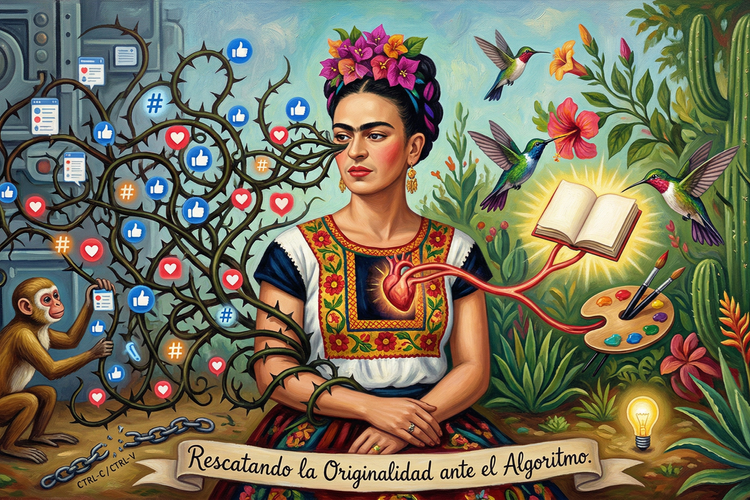
Have you ever started confusing the suggestions in your feed with your own interests and ideas? The article we discussed puts it well: we start mistaking the algorithm for our inner voice.
In marketing, that can lead us to copy strategies because they’re fashionable, losing the brand’s identity along the way. Trends can be a tool, but they shouldn’t be our only source of inspiration.
2. Create first, consume later
It sounds obvious, but how many of us open Pinterest or TikTok as soon as we get a brief?
Creative bias: looking for references too early shapes our ideas around what someone else has already done.
The challenge: try working from your own experience, and even boredom, before diving into the digital noise. Getting outside familiar habits can lead to stronger ideas.
3. Less mental junk food, more time with an idea
Short-form content has worn down our attention spans. We were having a similar conversation about cinema years ago: a sequence couldn’t last more than a few minutes without losing the viewer. Now three minutes can feel like an eternity.
Our thought? Challenge ourselves to pay attention.
Longer reading and listening: books, in-depth articles and even podcasts longer than thirty minutes are a start.
Older references: look at advertising from twenty or thirty years ago. Not to copy it, but to understand stories that didn’t depend on a one-and-a-half-second hook.
4. The value of making something your own, and the risk of copy and paste
Originality in advertising is something we need to defend, including in conversations with clients. It’s easier to sell an idea that has already worked elsewhere, but the value—and the professional pride—comes from proposing something of our own.
What comes next for us?
Less can be more. Over the next few months, we want to focus on:
Quality over quantity: fewer posts, with more attention to pieces that meet a clear brand objective.
Working on ideas together: having conversations and brainstorming as a team before turning to a search engine.
And for you and your team?
Do you feel the algorithm is deciding your ideas, or can you still hear your own voice? Tell us on LinkedIn how you deal with creative brain rot.
You can also read the article that started this conversation in the references below.